Cooking for a diagnosed coeliac diet, where getting gluten out is the treatment and the rest is making that easy to live with. Diagnosis, testing and follow-up stay with your own team, and no recipe can vouch for your kitchen or a manufacturer’s production line.
Removing wheat changes structure, hydration and texture. A coeliac baking recipe should be developed as its own formulation rather than promising that any gluten-free flour blend replaces wheat cup for cup.
Starting a gluten-free diet before coeliac testing can make results unreliable. Learn why diagnosis comes before recipe restriction and where a cooking site must stop.
A strict gluten-free diet is necessary for diagnosed coeliac disease, but a gluten-free label is not a nutrition rating. What the product data actually shows, what people on the diet actually eat, and which gaps are worth cooking around.
Restaurant gluten-free labels may not describe preparation and cross-contact. Practical communication can reduce uncertainty, but a website cannot certify a venue or a meal it did not observe.
Australia/New Zealand use a no-detectable-gluten standard and exclude oats from gluten-free claims; US FDA rules use a less-than-20-ppm threshold. Recipes therefore need a conservative global baseline.
Australia/New Zealand do not permit oat-containing foods to be labelled gluten-free, while some overseas rules do. This project uses an oat-free recipe baseline and explains why.
A household does not automatically need two complete kitchens. Practical preparation order, clean surfaces, crumb control and sensible separation can reduce gluten cross-contact.
A well-designed recipe can exclude gluten ingredients, but processed foods still vary by manufacturer and country. Learn what the cookbook can control and what the package must tell you.
Quinoa simmered in milk until the grains uncurl and go creamy, sweetened with banana mashed straight into the pot so it thickens the whole thing rather than sitting on top.
Nutty buckwheat pancakes made without any gluten-containing flour, cooked in a lightly buttered pan and served with yoghurt and a berry compote made while the batter rests.
Fine polenta whisked into hot milk until it thickens to a soft spoonable porridge, with tinned peaches warmed through and yoghurt stirred in at the table.
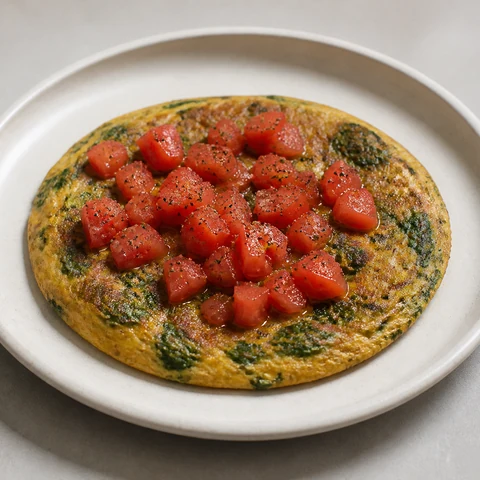
A chickpea-flour omelette that needs no eggs to hold together, with spinach wilted into the batter and tomatoes on top. Higher in protein and fibre than most gluten-free breakfasts.
Short-grain rice cooked slowly in milk with dried apricots softening into it, finished with toasted almonds. Made the night before if the morning is short.
No cooking at all. Thick yoghurt, berries warmed just enough to release their juice, walnuts and honey — the breakfast for the morning when nothing else is happening.
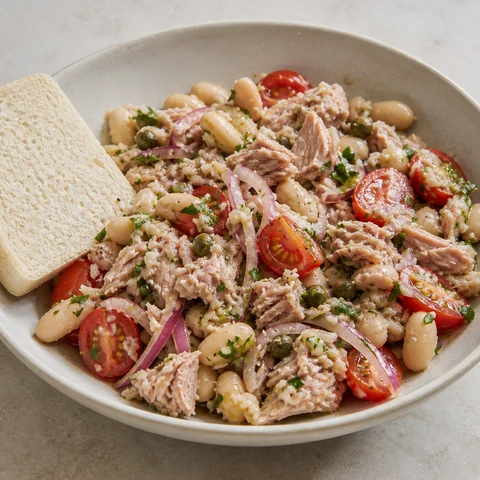
Store-cupboard lunch that takes as long as opening two tins. White beans crushed slightly so they hold the dressing, tuna in large flakes, and a lot of parsley.
A stir-fry built on ginger, garlic and lime rather than soy sauce, because most soy sauce is brewed with wheat and this one needs no substitute to taste like something.